
Thursday, March 26, 2009

G

garrulous
[From Latin garrulus, from garr re, to chatter.]
1. Given to excessive and often trivial or rambling talk; tiresomely talkative.
2. Wordy and rambling: a garrulous speech.


adj garrulous [ˈgӕrələs]
fond of talking a garrulous old man. बातूनी
adv garrulously
वाचालता से
n garˈrulity [-ˈruː-]
वाचालता
n garrulousness
वाचालता


germane
[Middle English germain, having the same parents, closely connected; see german2.]
Being both pertinent and fitting. See Synonyms at relevant.
Sex has never been germane to real


glib
1.
a. Performed with a natural, offhand ease: glib conversation.
b. Showing little thought, preparation, or concern: a glib response to a complex question.
2. Marked by ease and fluency of speech or writing that often suggests or stems from insincerity, superficiality, or deceitfulness.


grandiloquence
[From grandiloquent, from Latin grandiloquus : grandis, great + loqu , to speak; see tolkw- in Indo-European roots.]

1 Pompous or bombastic speech or expression
2 high-flown style; excessive use of verbal ornamentation; "the grandiosity of his prose"; "an excessive ornateness of language"


gregarious
Latin greg rius, belonging to a flock, from grex, greg-, flock; see ger- in Indo-European roots
1. Seeking and enjoying the company of others; sociable. See Synonyms at social.
2. Tending to move in or form a group with others of the same kind: gregarious bird species.
3. Botany Growing in groups that are close together but not densely clustered or matted.


1 liking the company of other people a gregarious person. गल्ला या झुंड से सम्बन्धित
2 (of animals, birds etc) living in groups Geese are gregarious. सामाजिक

F


facetious
[French facétieux, from facétie, jest, from Latin fac tia, from fac tus, witty.]
1. not meant to be taken seriously or literally: a facetious remark.
2. amusing; humorous.
3. lacking serious intent; concerned with something nonessential, amusing, or frivolous: a facetious person.

cleverly amusing in tone; "a bantering tone"; "facetious remarks"; "tongue-in-cheek advice"
bantering, tongue-in-cheek


fallacy
[Alteration of Middle English fallace, from Old French, from Latin fall cia, deceit, from fall x, fall c-, deceitful, from fallere, to deceive.]
–noun, plural -cies.
1. a deceptive, misleading, or false notion, belief, etc.: That the world is flat was at one time a popular fallacy.
2. a misleading or unsound argument.
3. deceptive, misleading, or false nature; erroneousness.
4. Logic. any of various types of erroneous reasoning that render arguments logically unsound.
5. Obsolete. deception.


a wrong idea or belief, usually one that is generally believed to be true; false reasoning That belief is just a fallacy


भ्रम


adj fallacious [fəˈleiʃəs]
wrong, mistaken or showing false reasoning a fallacious argument.


भ्रम में डालने वाला


fawn(1)
[Middle English faunen, from Old English fagnian, to rejoice, from fagen, fægen, glad.]
1. To exhibit affection or attempt to please, as a dog does by wagging its tail, whining, or cringing.
2. To seek favor or attention by flattery and obsequious behavior.


Fawn(2)
Middle English, from Old French foun, faon, feon, young animal, from Vulgar Latin *f t , *f t n-, from Latin f tus, offspring; see dh (i)- in Indo-European roots.]

1. A young deer, especially one less than a year old.
2. A grayish yellow-brown to moderate reddish brown.


1 a young deer. jong hert, reebok


हिरणी का बच्चा, हिरनौटा


2 (also adjective) (of) its colour, a light yellowish brown a fawn sweater.


हल्का पीला रंग

fervent
[Middle English, from Old French, from Latin fervns, fervent-, present participle of fervre, to boil; see bhreu- in Indo-European roots.]
1. Having or showing great emotion or zeal; ardent: fervent protests; a fervent admirer.
2. Extremely hot; glowing.

extremely hot; "the fervent heat...merely communicated a genial warmth to their half-torpid systems"- Nathaniel Hawthorne; "set out...when the fervid heat subsides"- Frances Trollope


adj fervent [ˈfəːvənt]
enthusiastic and very sincere fervent hope. hartstogtelike, vurige مُتَحَمِّس пламенен žhavý, vroucí lidenskabelig


उत्सुकता भरी


adv fervently


उत्सुकता से


filibuster
[From Spanish filibustero, freebooter, from French flibustier, from Dutch vrijbuiter, pirate; see freebooter.]
1.
U.S. Politics.
a.
the use of irregular or obstructive tactics by a member of a legislative assembly to prevent the adoption of a measure generally favored or to force a decision against the will of the majority.

b.
an exceptionally long speech, as one lasting for a day or days, or a series of such speeches to accomplish this purpose.

c.
a member of a legislature who makes such a speech.

2.
an irregular military adventurer, esp. one who engages in an unauthorized military expedition into a foreign country to foment or support a revolution.


flout
1350–1400; ME flouten to play the flute; cf. D fluiten to play the flute, jeer
.tr.
To show contempt for; scorn: flout a law; behavior that flouted convention. See Usage Note at flaunt.
v.intr.
To be scornful.
n.
A contemptuous action or remark; an insult.

Tehran women who flout dress code
to refuse to respect or obey He flouted the headmaster's authority.


अवहेलना


fortuitous
1645–55; gratuitous ); see -ous
1. happening or produced by chance; accidental: a fortuitous encounter.
2. lucky; fortunate: a series of fortuitous events that advanced her career

having no cause or apparent cause; "a causeless miracle"; "fortuitous encounters--strange accidents of fortune"; "we cannot regard artistic invention as...uncaused and unrelated to the times


fulminate
[Middle English fulminaten, from Latin fulmin re, fulmin t-, to strike with lightning, from fulmen, fulmin-, lightning that strikes; see bhel-1 in Indo-European roots.]
–verb (used without object)
1. to explode with a loud noise; detonate.
2. to issue denunciations or the like (usually fol. by against): The minister fulminated against legalized vice.

–verb (used with object) 3. to cause to explode.
4. to issue or pronounce with vehement denunciation, condemnation, or the like.

–noun
5. one of a group of unstable, explosive compounds derived from fulminic acid, esp. the mercury salt of fulminic acid, which is a powerful detonating agent

furtive
[French furtif, from Old French, from Latin f rt vus, from f rtum, theft, from f r, thief; see bher-1 in Indo-European roots.]
1. Characterized by stealth; surreptitious.
2. Expressive of hidden motives or purposes; shifty. See Synonyms at secret.

secretive; avoiding attention a furtive action/look.


गुप्त

E


ebullience

Zestful enthusiasm.


enthusiasm, exuberance
eccentric
[Middle English eccentrik, planetary orbit of which the earth is not at the center, from Medieval Latin eccentricus, not having the same center, from Greek ekkentros : ek-, out of; see ecto- + kentron, center (from kentein, to prick; see kent- in Indo-European roots).]
adj.
1. Departing from a recognized, conventional, or established norm or pattern. See Synonyms at strange.
2. Deviating from a circular form or path, as in an elliptical orbit.
3.
a. Not situated at or in the geometric center.
b. Having the axis located elsewhere than at the geometric center.
n.
1. One that deviates markedly from an established norm, especially a person of odd or unconventional behavior.
2. Physics A disk or wheel having its axis of revolution displaced from its center so that it is capable of imparting reciprocating motion.
a person with an unusual or odd personality


a person of a specified kind (usually with many eccentricities); "a real character"; "a strange character"; "a friendly eccentric"; "the capable type"; "a mental case"

adj eccentric [ikˈsentrik]
(of a person, his behaviour etc) odd; unusual He is growing more eccentric every day; He had an eccentric habit of collecting stray cats
उत्केन्द्रीय, अनियमित, सनकी
n
an eccentric person
सनकी
n eccentricity [eksenˈtrisəti]
oddness of behaviour or an example of this
सनक


Eclectic
[Greek eklektikos, selective, from eklektos, selected, from eklegein, to select : ek-, out; see ecto- + legein, to gather; see leg- in Indo-European roots.]
adj.
1. Selecting or employing individual elements from a variety of sources, systems, or styles: an eclectic taste in music; an eclectic approach to managing the economy.
2. Made up of or combining elements from a variety of sources: "a popular bar patronized by an eclectic collection of artists, writers, secretaries and aging soldiers on reserve duty" Curtis Wilkie.
n.
One that follows an eclectic method.


Eclectic, the first autonomous vehicle in the history of the automobile, opens up a new era in the field of mobility


Eclecticism in architecture

effrontery
French effronterie, from effronté, shameless, from Old French esfronte, from Vulgar Latin *effront tus, alteration of Late Latin effr ns, effront- : ex-, ex- + fr ns, front-, front, forehead.]

–noun, plural -ter⋅ies.
1. shameless or impudent boldness; barefaced audacity: She had the effrontery to ask for two free samples.
2. an act or instance of this

impudence He had the effrontery to call me a liar.
धृष्ट तथा निर्लज्ज व्यवहार


elegy
[French élégie, from Latin eleg a, from Greek elegeia, from pl. of elegeion, elegiac distich, from elegos, song, mournful song.]
–noun, plural -gies.
1. a mournful, melancholy, or plaintive poem, esp. a funeral song or a lament for the dead.
2. a poem written in elegiac meter.
3. a sad or mournful musical composition.

song or poem of mourning.
शोक-गीत


eloquent
[Middle English, from Old French, from Latin loqu ns, loquent-, present participle of loqu , to speak out; see elocution.]

–adjective
1. having or exercising the power of fluent, forceful, and appropriate speech: an eloquent orator.
2. characterized by forceful and appropriate expression: an eloquent speech.
3. movingly expressive: looks eloquent of disgust.


emollient
[Latin molli ns, mollient-, present participle of moll re, to soften : -, ex-, intensive pref.; see ex- + moll re, to soften (from mollis, soft; see mel-1 in Indo-European roots).]
adj.
1. Softening and soothing, especially to the skin.
2. Making less harsh or abrasive; mollifying: the emollient approach of a diplomatic mediator.
n.
1. An agent that softens or soothes the skin.
2. An agent that assuages or mollifies.
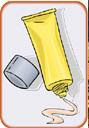
toiletry consisting of any of various substances in the form of a thick liquid that have a soothing and moisturizing effect when applied to the skin



empirical
1.
a. Relying on or derived from observation or experiment: empirical results that supported the hypothesis.
b. Verifiable or provable by means of observation or experiment: empirical laws.
2. Guided by practical experience and not theory, especially in medicine.


Synonyms:1, 2. practical, firsthand, pragmatic.
Antonyms:1, 2. secondhand, theoretical.


endemic
From Greek end mos, native, endemic : en-, in; see en-2 + d mos, people; see d - in Indo-European roots.]
–adjective Also, en⋅dem⋅i⋅cal
. 1. natural to or characteristic of a specific people or place; native; indigenous: endemic folkways; countries where high unemployment is endemic.
2. belonging exclusively or confined to a particular place: a fever endemic to the tropics.

–noun 3. an endemic disease.

enervate
[Latin nerv re, nerv t- : -, ex-, ex- + nervus, sinew; see (s)ne u- in Indo-European roots.]
1. To weaken or destroy the strength or vitality of: "the luxury which enervates and destroys nations" Henry David Thoreau. See Synonyms at deplete.
2. Medicine To remove a nerve or part of a nerve.
adj. ( -nûr v t)
Deprived of strength; debilitated.

disturb the composure of

enigmatic
[Greek ainigmatikos, from ainigma, ainigmat-, riddle; see enigma.]
Of or resembling an enigma; puzzling: a professor's enigmatic grading system. See Synonyms at ambiguous


ennui
French, from Old French enui, from ennuyer, to annoy, bore; see annoy.]
: a feeling of weariness and dissatisfaction : boredom


the feeling of being bored by something tedious

ephemeral
1570–80; + hēmér(a) day + -os adj. suffix) + -al 1
–adjective
1. lasting a very short time; short-lived; transitory: the ephemeral joys of childhood.
2. lasting but one day: an ephemeral flower.
–noun
1. anything short-lived, as certain insects.
lasting a very short time; "the ephemeral joys of childhood"; "a passing fancy"; "youth's transient beauty"; "love is transitory but it is eternal"; "fugacious blossoms"



equivocate
[Middle English equivocaten, from Medieval Latin aequivoc re, aequivoc t-, from Late Latin aequivocus, equivocal; see equivocal.]



erudite
Middle English erudit, from Latin rud tus, past participle of rud re, to instruct : -, ex-, ex- + rudis, rough, untaught; see rude.]
having or showing great academic knowledge [Latin erudire to polish]

esoteric
[Greek es terikos, from es ter , comparative of es , within; see en in Indo-European roots.]
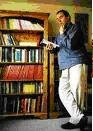
adj.
1.
a. Intended for or understood by only a particular group: an esoteric cult. See Synonyms at mysterious.
b. Of or relating to that which is known by a restricted number of people.
c. Confined to a small group: esoteric interests.
d. Not publicly disclosed; confidential.
2.
a. Confined to a small group: esoteric interests.
b. Not publicly disclosed; confidential.


eulogy
[Middle English euloge, from Medieval Latin eulogium, from Greek eulogi , praise : eu-, eu- + -logos, speech; see -logy.]
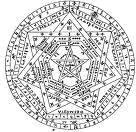
1. a speech or writing in praise of a person or thing, esp. a set oration in honor of a deceased person.
2. high praise or commendation.


evanescent
Vanishing or likely to vanish like vapor.



Evanescent Oak Tree


exacerbate
[Latin exacerb re, exacerb t- : ex-, intensive pref.; see ex- + acerb re, to make harsh (from acerbus, harsh; see ak- in Indo-European roots).]
1. to increase the severity, bitterness, or violence of (disease, ill feeling, etc.); aggravate.
2. to embitter the feelings of (a person); irritate; exasperate
exasperate or irritate

exculpate
Medieval Latin exculpre, exculpt- : Latin ex-, ex- + Latin culpa, guilt.]
to clear from a charge of guilt or fault; free from blame; vindicate
pronounce not guilty of criminal charges; "The suspect was cleared of the murder charges"


exigent
Latin exigns, exigent-, present participle of exigere, to demand; see exact.]
adj.
1. Requiring immediate action or remedy. See Synonyms at urgent.
2. Requiring much effort or expense; demanding.


exonerate
[Middle English exoneraten, from Latin exonerre, exonert-, to free from a burden : ex-, ex- + onus, oner-, burden.]

1. to clear, as of an accusation; free from guilt or blame; exculpate: He was exonerated from the accusation of cheating.
2. to relieve, as from an obligation, duty, or task.


extemporaneous
1650–60; LL extemporāneus on the spur of the moment.
1. done, spoken, performed, etc., without special advance preparation; impromptu: an extemporaneous speech.
2. previously planned but delivered with the help of few or no notes: extemporaneous lectures.
3. speaking or performing with little or no advance preparation: extemporaneous actors.
4. made for the occasion, as a shelter

D


dearth
[Middle English derthe, from Old English *d orthu, costliness, from d ore, costly; see dear1.]
–noun
1. an inadequate supply; scarcity; lack: There is a dearth of good engineers.
2. scarcity and dearness of food; famine.


a lack of They suffer from a dearth of resources and of experienced men
कमी, किल्लत, दुर्लभता, अकाल

decorum
[Latin dec rum, from dec rus, becoming, handsome; see decorous.]

1. Appropriateness of behavior or conduct; propriety: "In the Ireland of the 1940's ... the stolidity of a long, empty, grave face was thought to be the height of decorum and profundity" John McGahern.
2. decorums The conventions or requirements of polite behavior: the formalities and decorums of a military funeral.
3. The appropriateness of an element of an artistic or literary work, such as style or tone, to its particular circumstance or to the composition as a whole


demur
[Middle English demuren, to delay, from Anglo-Norman demurer, from Latin d mor r : d -, de- + mor r , to delay (from mora, delay).]

–verb (used without object)
1. to make objection, esp. on the grounds of scruples; take exception; object: They wanted to make him the treasurer, but he demurred.
2. Law. to interpose a demurrer.
3. Archaic. to linger; hesitate.

–noun
4. the act of making objection.
5. an objection raised.
6. hesitation.
7. Law. Obsolete. a demurrer.


derision
1350–1400; ME derisioun < href="http://dictionary.reference.com/search?q=deride&db=luna">deride ) + -iōn- -ion
1
a: the use of ridicule or scorn to show contempt
b: a state of being derided
2: an object of ridicule or scorn


Desiccate
Latin desiccatus, past participle of desiccare to dry up, from de- + siccare to dry, from siccus dry

transitive verb
1 : to dry up
2 : to preserve (a food) by drying : dehydrate
3 : to drain of emotional or intellectual vitality
intransitive verb
: to become dried up


Desication cracks


diatribe
[Latin diatriba, learned discourse, from Greek diatrib , pastime, lecture, from diatr bein, to consume, wear away : dia-, intensive pref.; see dia- + tr bein, to rub; see ter -1 in Indo-European roots.]

–noun
a bitter, sharply abusive denunciation, attack, or criticism: repeated diatribes against the senator.

didactic
[Greek didaktikos, skillful in teaching, from didaktos, taught, from didaskein, didak-, to teach, educate.]
–adjective
1. intended for instruction; instructive: didactic poetry.
2. inclined to teach or lecture others too much: a boring, didactic speaker.
3. teaching or intending to teach a moral lesson.
4. didactics, (used with a singular verb) the art or science of teaching


dilettante
Italian, from present participle of dilettare to delight, from Latin dilectare — more at delight
–noun
1. a person who takes up an art, activity, or subject merely for amusement, esp. in a desultory or superficial way; dabbler.
2. a lover of an art or science, esp. of a fine art.
–adjective 3
. of or pertaining to dilettantes.


disabuse
[French désabuser : dés-, dis- + abuser, to delude (from Old French, to misuse; see abuse).]
To free from a falsehood or misconception: I must disabuse you of your feelings of grandeur.
verb
free somebody (from an erroneous belief)


discordant

–adjective
1. being at variance; disagreeing; incongruous: discordant opinions.
2. disagreeable to the ear; dissonant; harsh.
3. Geology. (of strata) structurally unconformable.


discretion
–noun
1. the power or right to decide or act according to one's own judgment; freedom of judgment or choice: It is entirely within my discretion whether I will go or stay.
2. the quality of being discreet, esp. with reference to one's own actions or speech; prudence or decorum: Throwing all discretion to the winds, he blurted out the truth.

—Idiom3. at discretion, at one's option or pleasure: They were allowed to work overtime at discretion.


disinterested
adjective
1. unbiased by personal interest or advantage; not influenced by selfish motives: a disinterested decision by the referee.
2. not interested; indifferent.
not influenced by private feelings or selfish motives; impartial It would be best if we let a disinterested party decide.
स्वार्थरहित


disparage
[Middle English disparagen, to degrade, from Old French desparager : des-, dis- + parage, high birth (from per, peer; see peer2).]
–verb (used with object), -aged, -ag⋅ing.
1. to speak of or treat slightingly; depreciate; belittle: Do not disparage good manners.
2. to bring reproach or discredit upon; lower the estimation of: Your behavior will disparage the whole family.


disparate
[Latin dispar tus, past participle of dispar re, to separate : dis-, apart; see dis- + par re, to prepare; see per -1 in Indo-European roots.]
–adjective
distinct in kind; essentially different; dissimilar: disparate ideas.
Ex.Disparate HouseWives
dissemble
Middle English dissemblen, from Old French dessembler, to be different : des-, dis- + sembler, to appear, seem; see semblable.]
v.tr.
1. To disguise or conceal behind a false appearance. See Synonyms at disguise.
2. To make a false show of; feign.
v.intr.
To disguise or conceal one's real nature, motives, or feelings behind a false appearance.


make believe with the intent to deceive; "He feigned that he was ill"; "He shammed a headache"
--behave unnaturally or affectedly; "She's just acting"

divulge
[Middle English divulgen, from Old French divulguer, from Latin d vulg re, to publish : d -, dis-, among; see dis- + vulg re, to spread among the multitude (from vulgus, common people).]
–verb (used with object), -vulged, -vulg⋅ing.
to disclose or reveal (something private, secret, or previously unknown).


dogmatic
[Late Latin dogmaticus, from Greek dogmatikos, from dogma, dogmat-, belief; see dogma.]
1. Relating to, characteristic of, or resulting from dogma.
2. Characterized by an authoritative, arrogant assertion of unproved or unprovable principles. See Synonyms at dictatorial.
tending to force one's own opinions on other people He's very dogmatic on this subject. हठी, हठधर्मी